Should You Repair or Replace Your Boiler?
A practical framework for deciding whether to repair or replace a steam or hot water boiler: age, heat exchanger condition, efficiency, fuel type and incentives.

Repair usually makes sense when
- The heat exchanger is sound and the boiler is not leaking from its sections
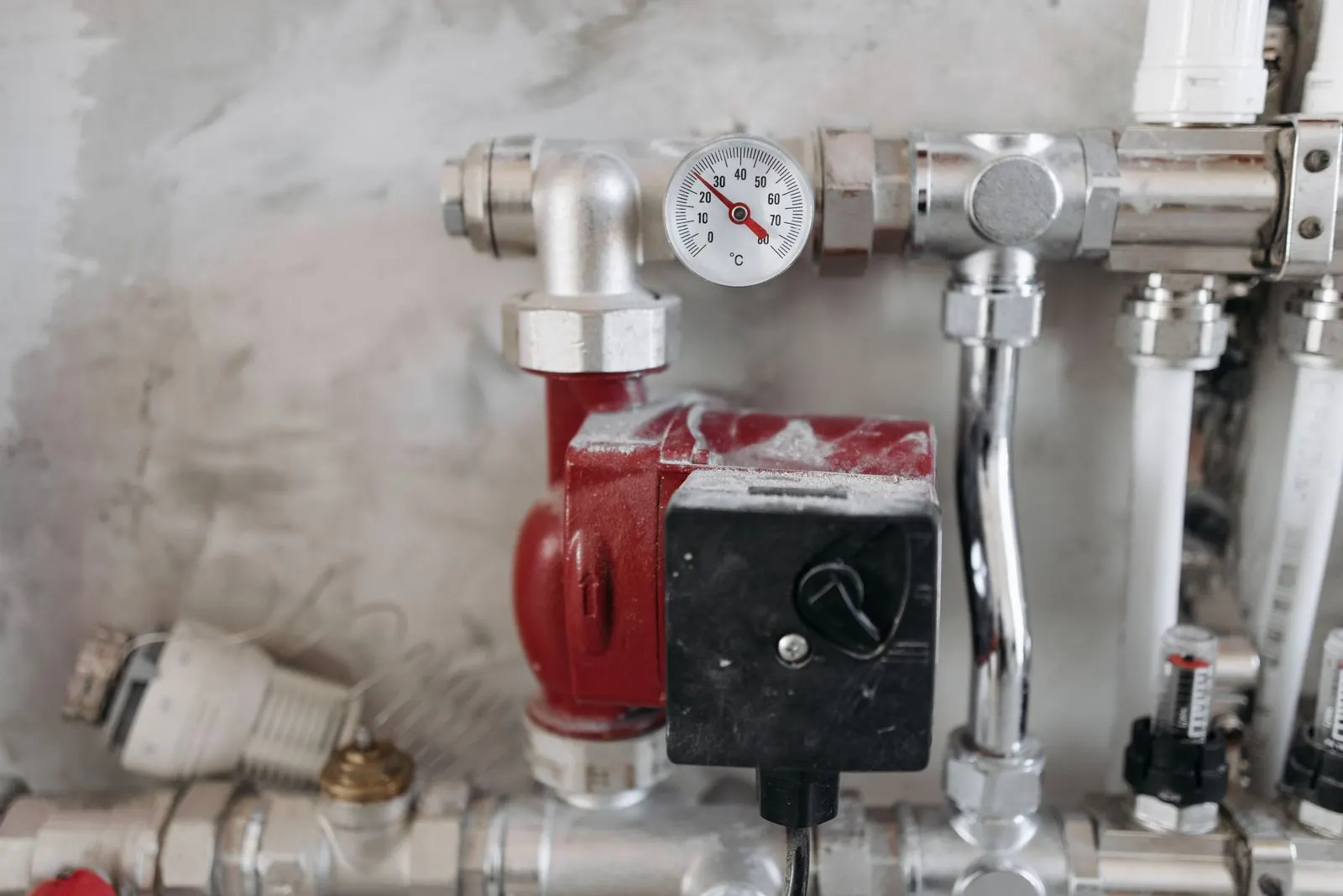
- The failed part is a control, igniter, circulator, vent or valve
- The boiler is properly sized for the house
- You are planning to electrify in a few years and just need reliable heat until then
Replacement usually makes sense when
- The heat exchanger or sections are cracked or leaking
- You are calling for repairs every winter
- The boiler is grossly oversized and short-cycles
- Parts are discontinued
- You are converting from oil, or want to add indirect hot water
Don't forget the system
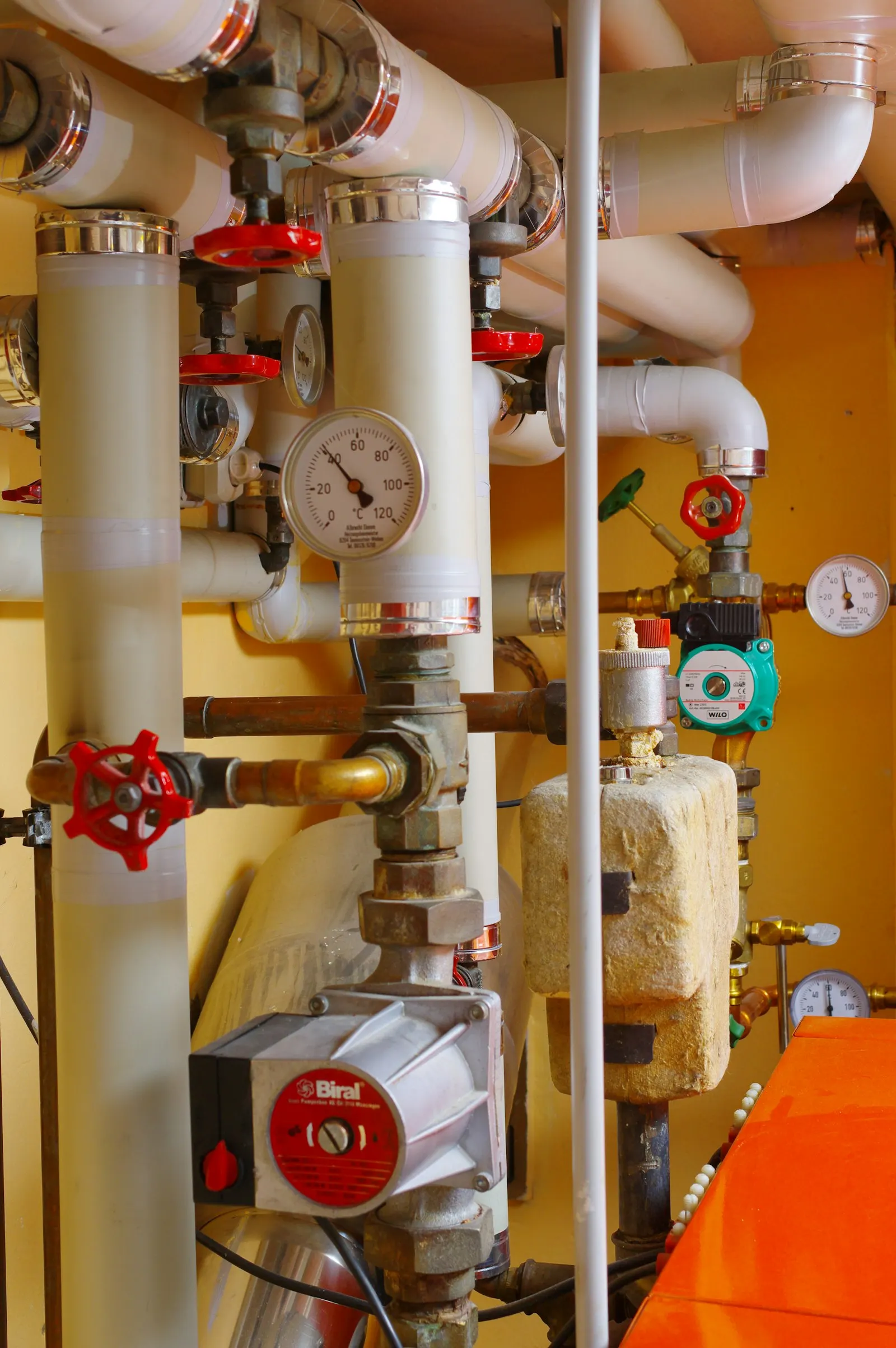
Many no-heat and comfort complaints come from the distribution system, such as vents, pitch, air and circulators, not the boiler. A new boiler connected to a poorly vented steam system will still heat unevenly. Fix both.
Incentives and the electrification question
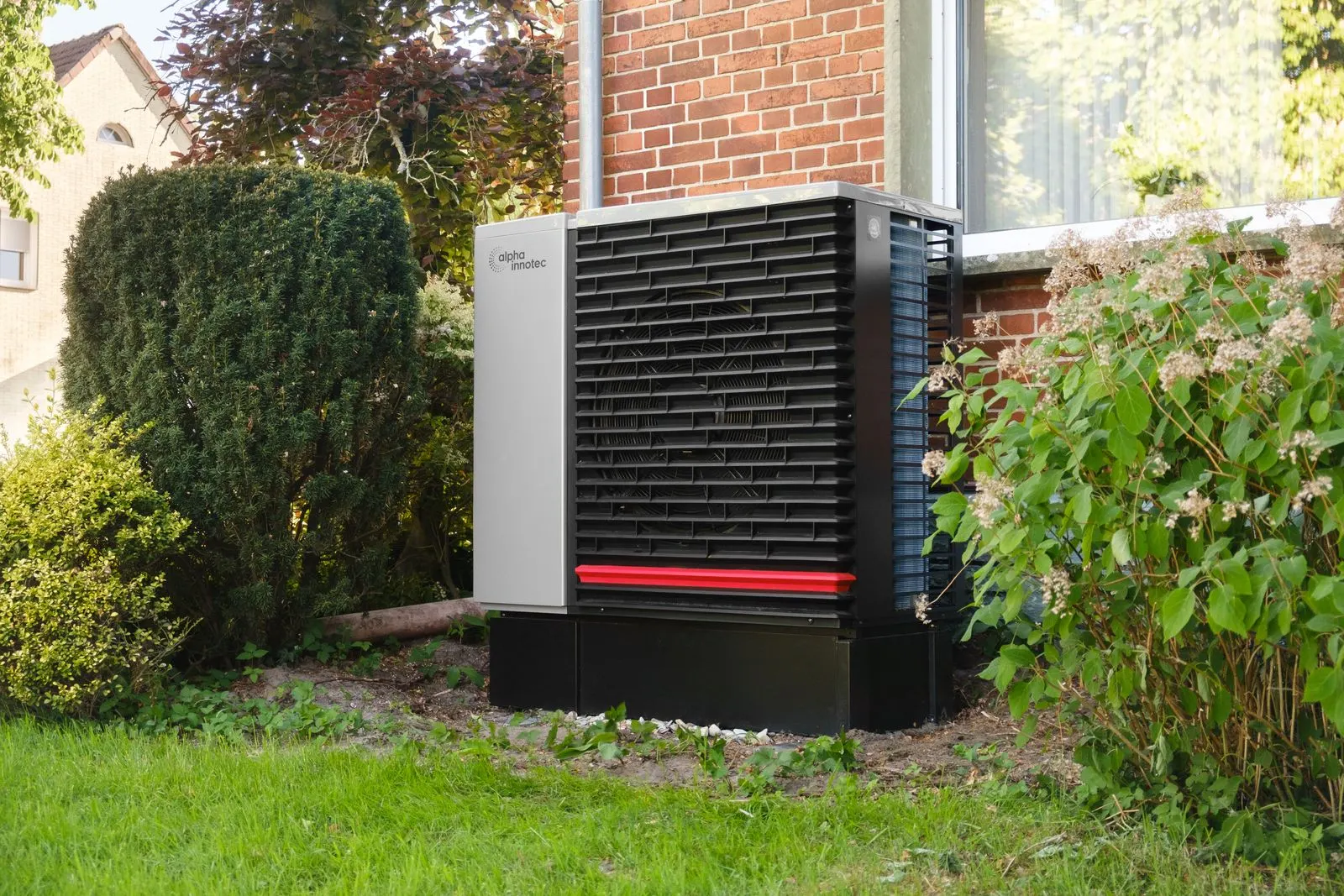
New York State policy is moving toward heat pumps, and utility and NYSERDA incentives have favored them. That does not mean every home should rip out its boiler. A hybrid approach, keeping the boiler and adding heat pumps, is often the sweet spot for older homes. Ask us to price both options side by side.
In Yonkers, Westchester and the Bronx
In Westchester and the Bronx we see a lot of cast iron boilers from the 1970s through 1990s that are still running. Many of them are worth maintaining for a few more years, especially steam boilers in good condition. Others are oversized oil burners that cost a fortune to run. When we quote a replacement, we measure the connected radiation for steam, or run a heat-loss calculation for hot water. Matching the boiler to the home, rather than to the old boiler's nameplate, is where most of the savings come from.