How to Bleed a Hot Water Radiator
Step-by-step guide to bleeding hot water radiators and baseboard, plus why you should not bleed steam radiators and what to check on the boiler afterward.
First: is it hot water or steam?
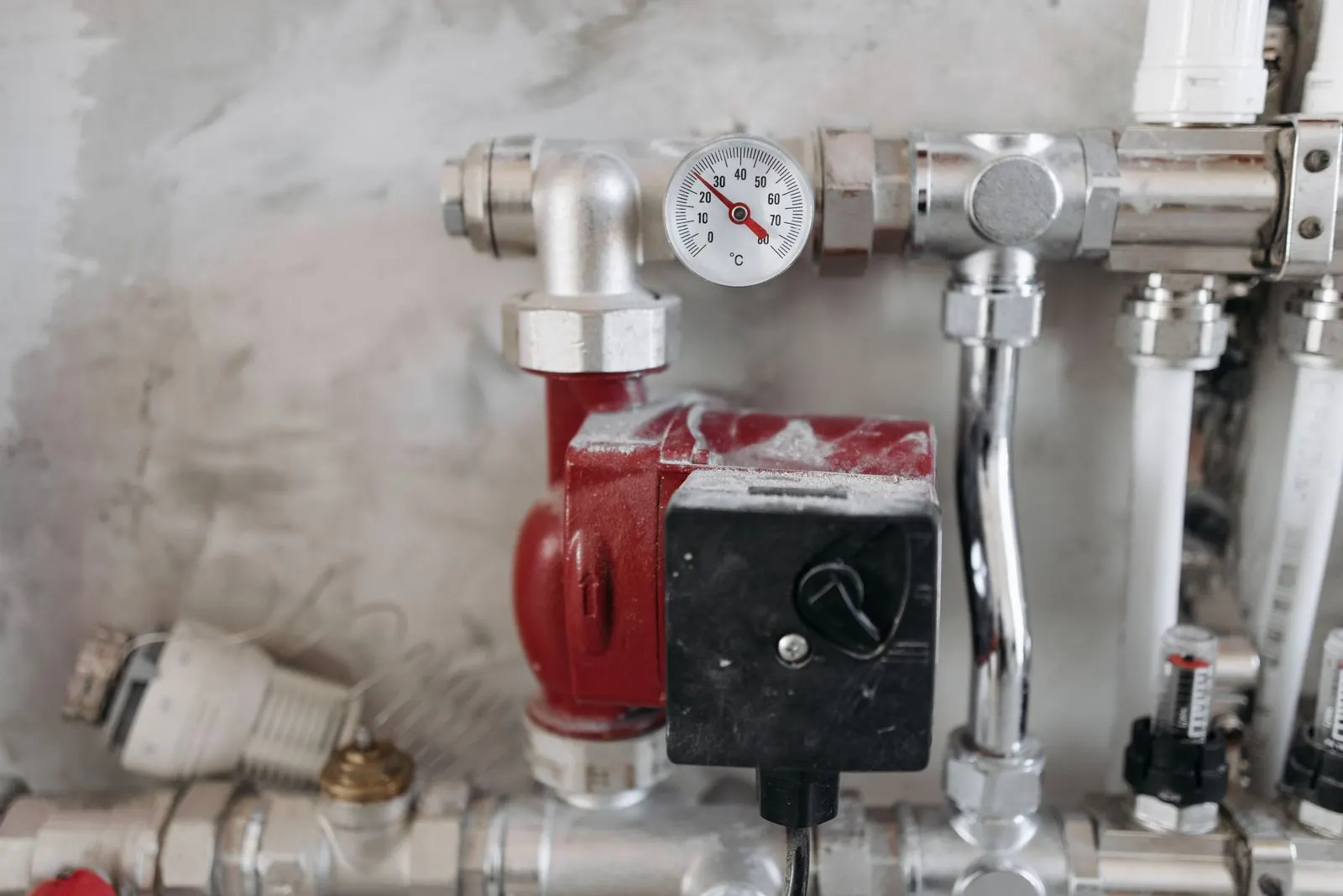
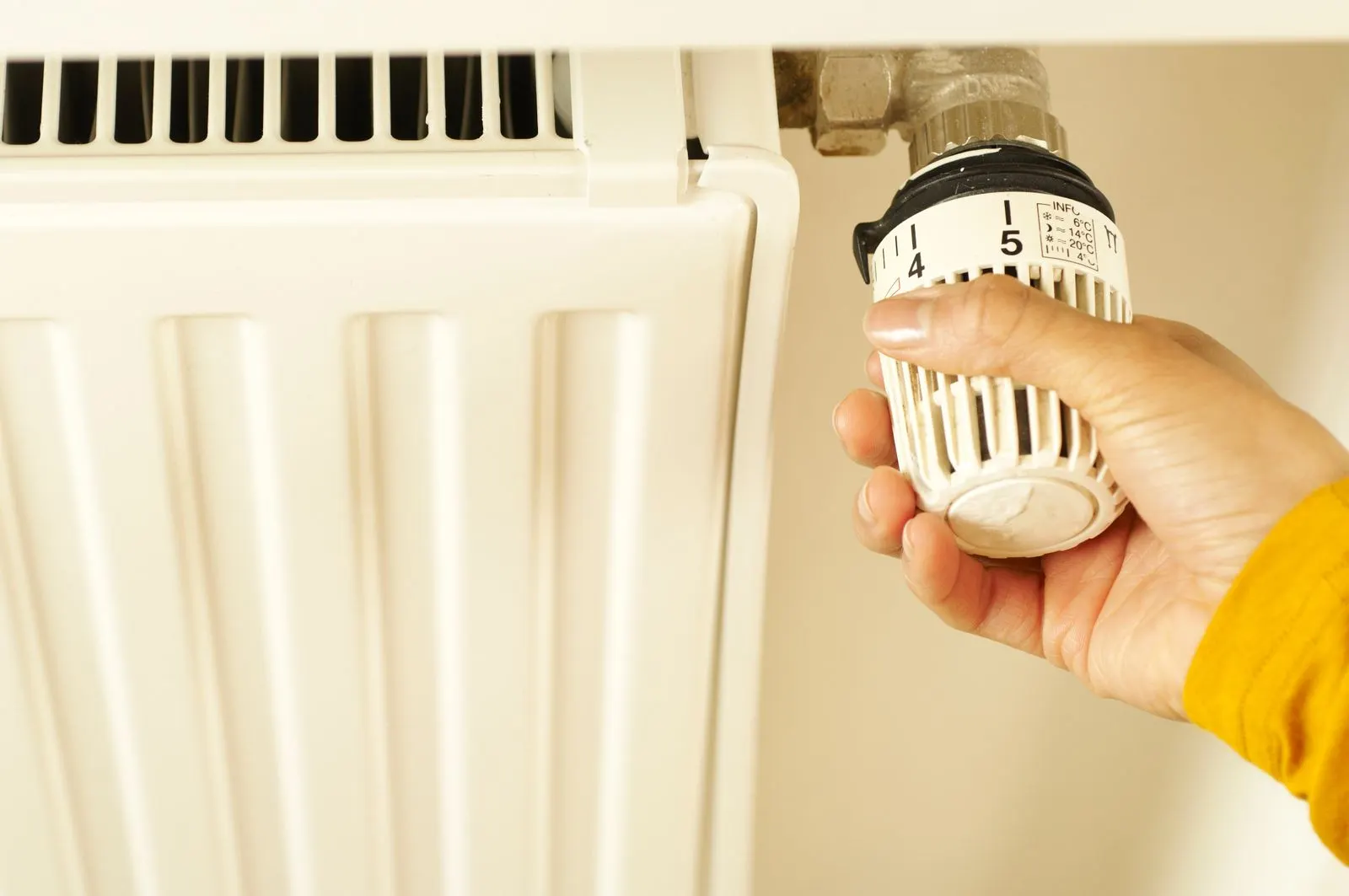
Hot water radiators have a small square or slotted bleed valve near the top, and the boiler has a pressure gauge. Steam radiators have a larger chrome or brass air vent on the side and the boiler has a sight glass. Do not try to bleed steam radiators. Their vents work automatically and should be replaced, not opened, if they fail.
Bleeding a hot water radiator
- Let the system run so the radiators are warm, then turn the thermostat down.
- Hold a cloth and cup under the bleed valve.
- Open the valve a quarter to half turn with a radiator key or screwdriver. You will hear air hiss.
- Close it as soon as water comes out steadily.
- Work from the lowest floor up.
- Check the boiler pressure. If it dropped below roughly 12 PSI, the system may need water, and the auto-fill valve should handle that. If it does not, call for service.
If radiators keep needing bleeding
Constant air points to a leak, a failed air separator or automatic air vent, or a fill valve problem. That should be diagnosed.
In Yonkers, Westchester and the Bronx
Hot water radiators and baseboard are typical in Westchester's mid-century colonials and capes, for example in Eastchester, Greenburgh and White Plains, while the prewar homes of Yonkers, Bronxville, Pelham and the Bronx are more often steam. If you are not sure which you have, look at the boiler: a pressure gauge in PSI and no sight glass means hot water; a glass tube showing the water level means steam.