Converting From Oil to Gas: What to Expect
A step-by-step guide to oil-to-gas heating conversion in Westchester and the Bronx: utility service, equipment, venting, tank removal, and when a heat pump makes more sense.
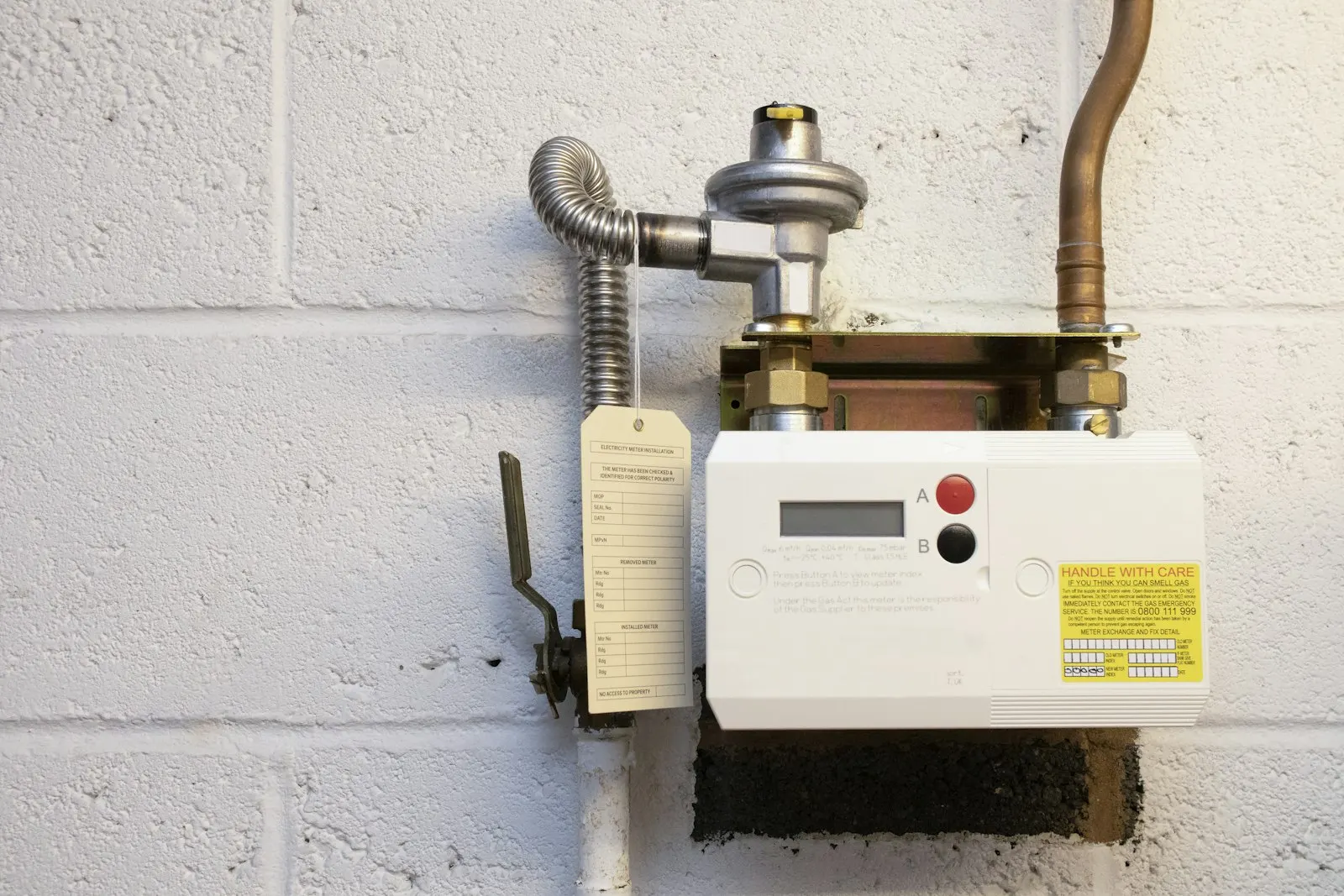
Step 1: Confirm gas is available
Not every street has a gas main, and some areas have had capacity constraints. The utility will tell you if service is available and what installing a service line involves.
Step 2: Choose equipment
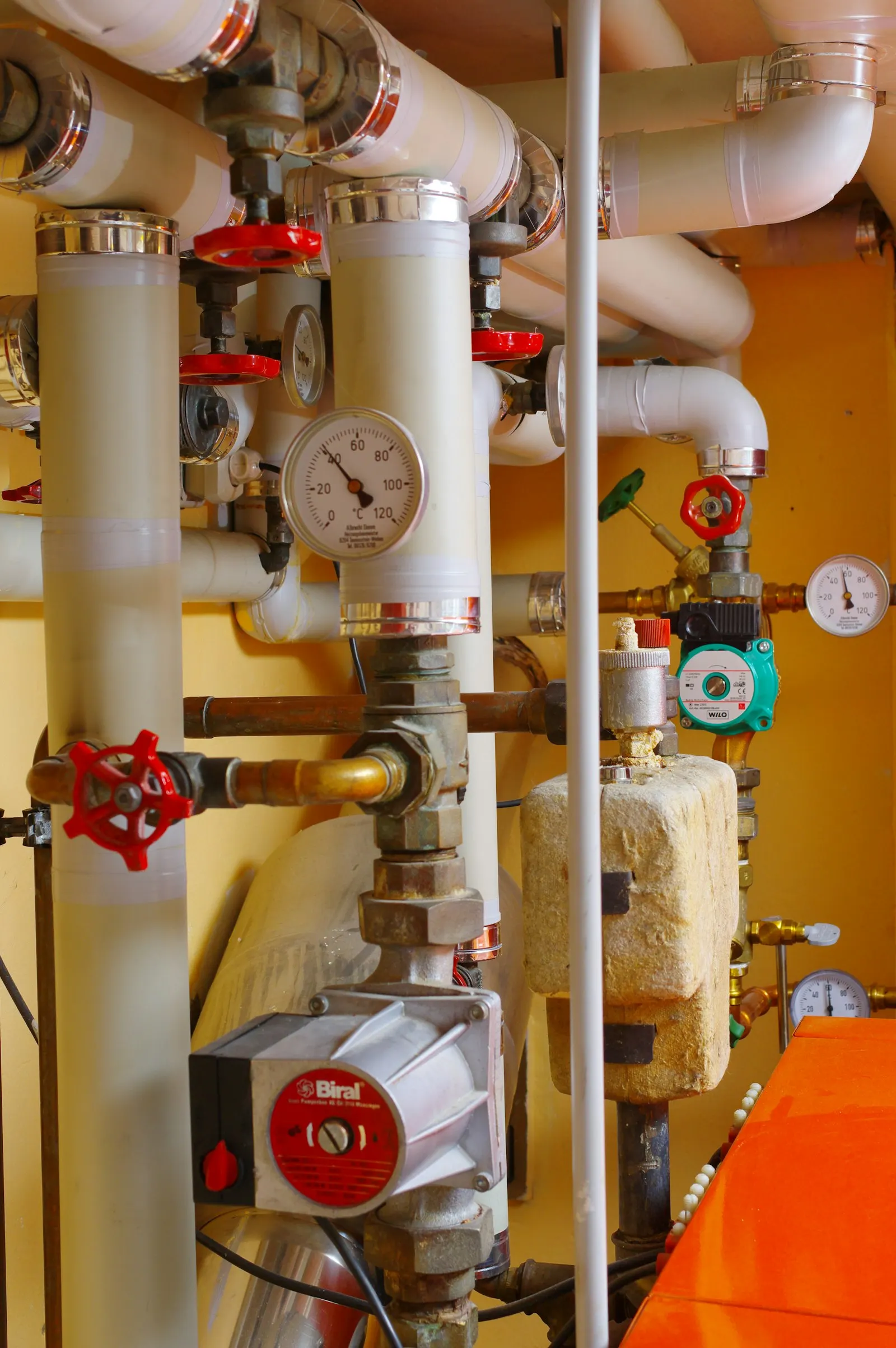
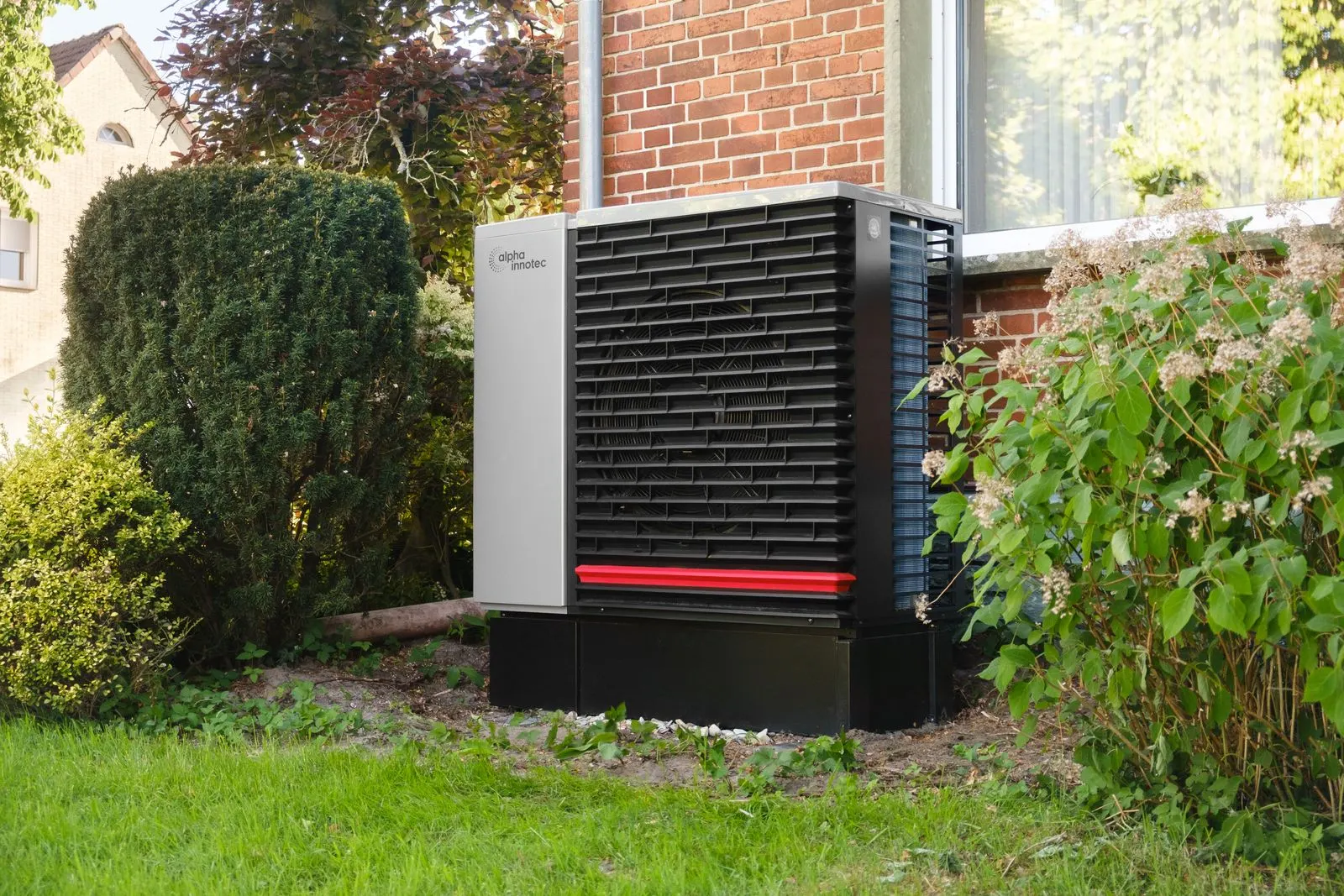
Most conversions replace the oil boiler with a gas boiler, either standard or high-efficiency condensing, or a combi unit. Converting an existing oil boiler with a gas burner is sometimes possible but usually not the best long-term choice. It is also the moment to price a heat pump.
Step 3: Venting
High-efficiency gas boilers vent through the sidewall with PVC or polypropylene. Standard-efficiency units typically use the chimney, which often needs a liner. If a water heater shares the chimney, it has to be considered too.
Step 4: The oil tank
Basement tanks are typically cut up and removed. Buried tanks are removed or abandoned in place according to local requirements, and soil testing may be recommended. Keep the paperwork, because buyers and insurers will ask.
Timeline
The installation itself takes a few days; the utility side can take weeks. If you are thinking about converting, start the process before heating season.
In Yonkers, Westchester and the Bronx
Oil heat is still common in Scarsdale, Hastings-on-Hudson, Dobbs Ferry, Irvington, Rye and parts of the Bronx with older detached homes. Gas availability varies street by street, and some areas of Westchester have had gas capacity constraints in recent years, which is one reason many homeowners are now comparing gas conversion with a cold-climate heat pump.