How to Prevent Frozen Pipes This Winter
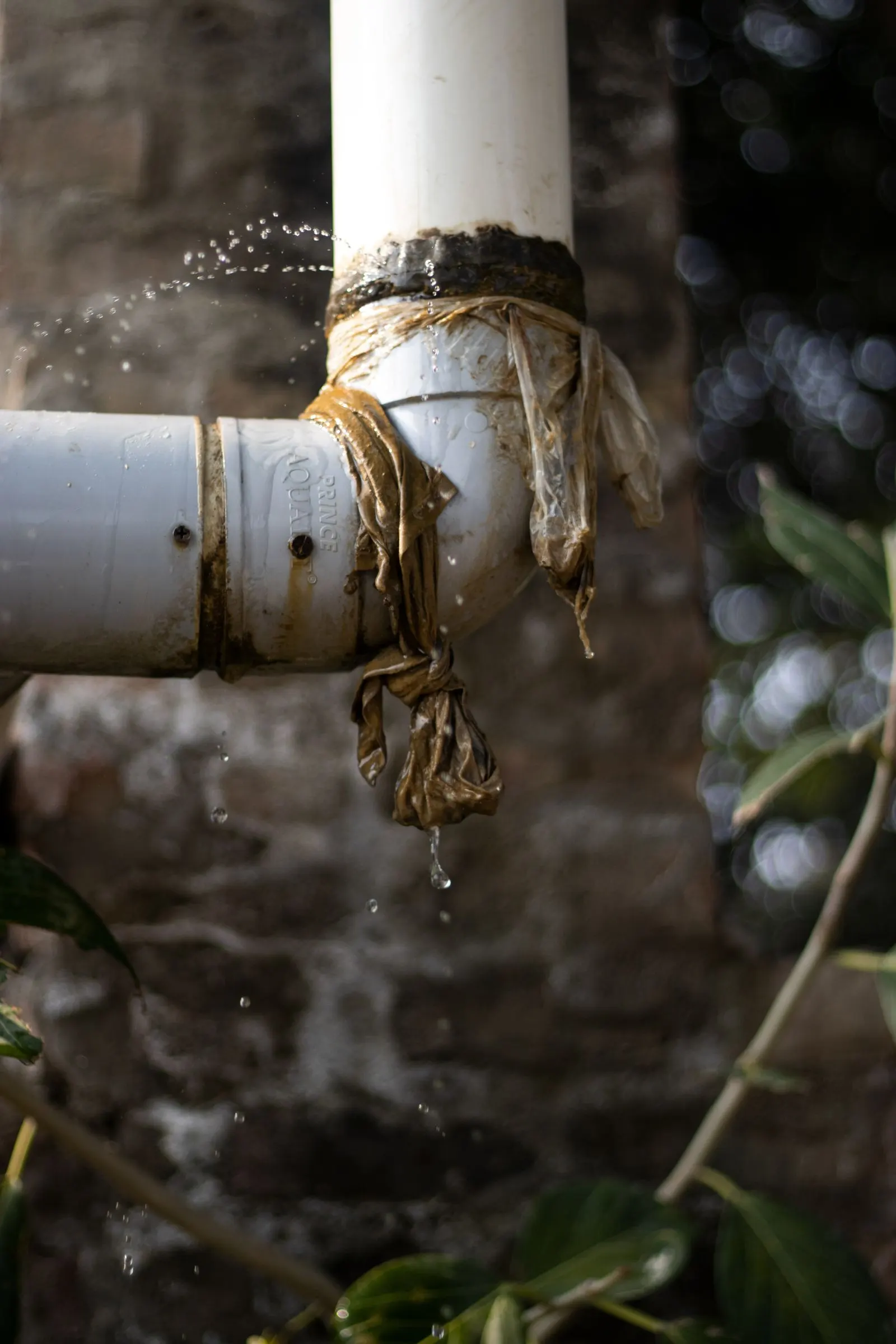
Frozen and burst pipes are among the most expensive winter home repairs in NYC and Westchester. Here is where pipes freeze, how to prevent it, and what to do if one freezes.
Where pipes freeze in our area
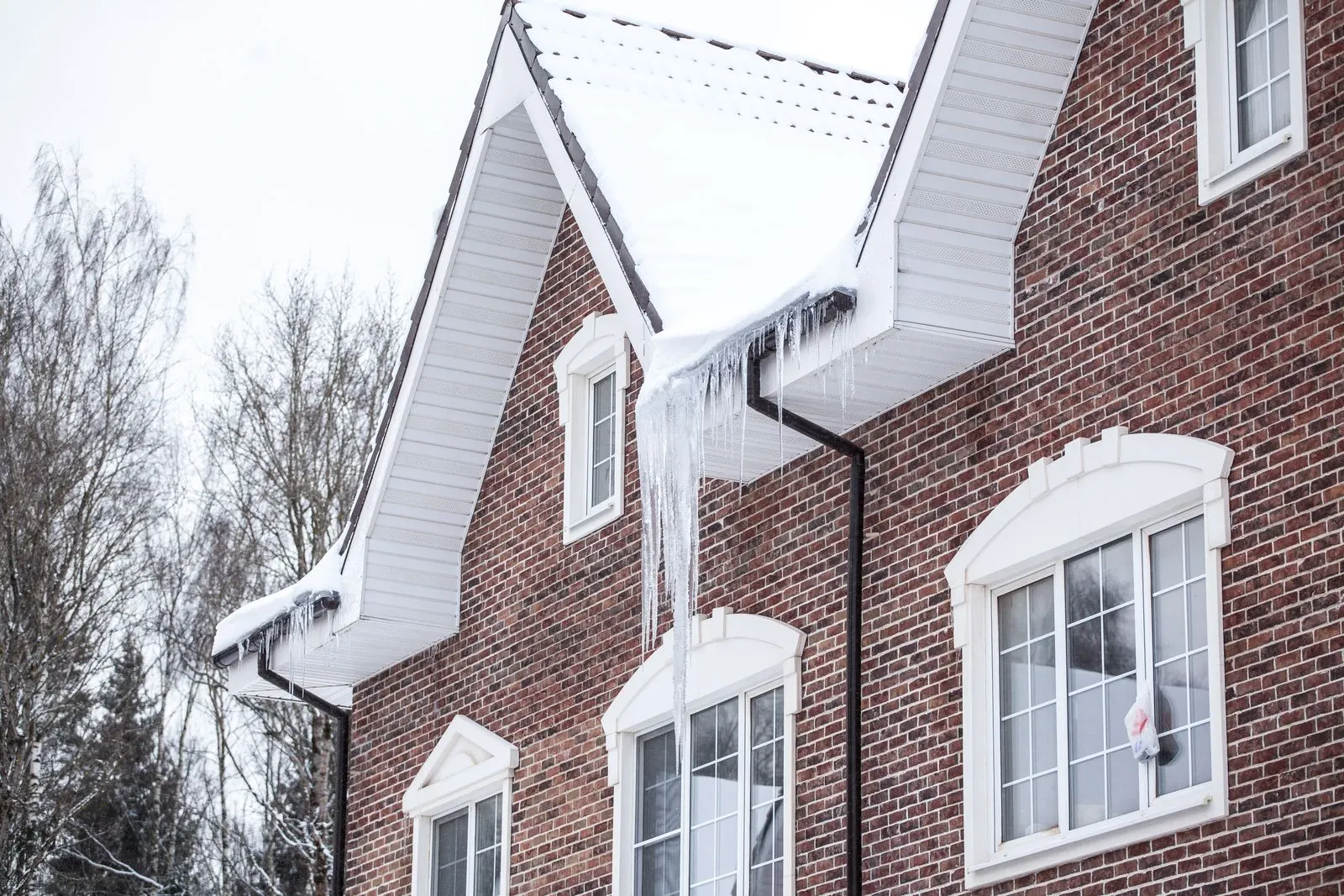
In older homes around Yonkers, the Bronx and lower Westchester, the usual suspects are pipes in exterior walls (especially under kitchen sinks on outside walls), enclosed porches and mudrooms, crawlspaces, garages, attic bathrooms, and outdoor hose bibs that were never shut off. Vacant apartments and homes where the heat fails are the worst cases.
Before the cold snap
- Shut off and drain outdoor faucets from the inside valve, and disconnect hoses.
- Insulate exposed pipes in crawlspaces, garages and basements with foam pipe insulation.
- Seal air leaks near pipes: rim joists, dryer vents, cable penetrations.
- Know where your main water shutoff is and test that it turns.
- Get your boiler or furnace serviced. A heating failure is the number one cause of burst pipes.
On the coldest nights
- Keep the thermostat steady, no deep night setbacks, and never below 55°F if you leave.
- Open sink cabinet doors on exterior walls.
- Let a thin stream drip from faucets on vulnerable lines, hot and cold.
- Keep garage doors closed.
If a pipe freezes
Open the faucet, then warm the pipe gradually with a hair dryer or space heater, working from the faucet back toward the frozen section. Never use an open flame. If you cannot find or reach the frozen section, or if it thaws and starts leaking, shut off the main and call a plumber.
In Yonkers, Westchester and the Bronx
In our area the worst nights usually come in January and February, when an Arctic air mass pushes temperatures into the single digits for several nights in a row. That is when we see the most burst pipes in Westchester and the Bronx. The repeat offenders are kitchen sink lines on north-facing exterior walls, pipes in enclosed back porches common on Yonkers and Mount Vernon two-families, and hose bibs on Scarsdale and White Plains colonials where the inside shutoff was never closed. Vacant apartments between tenants are another big risk: keep the heat on at least 55°F.