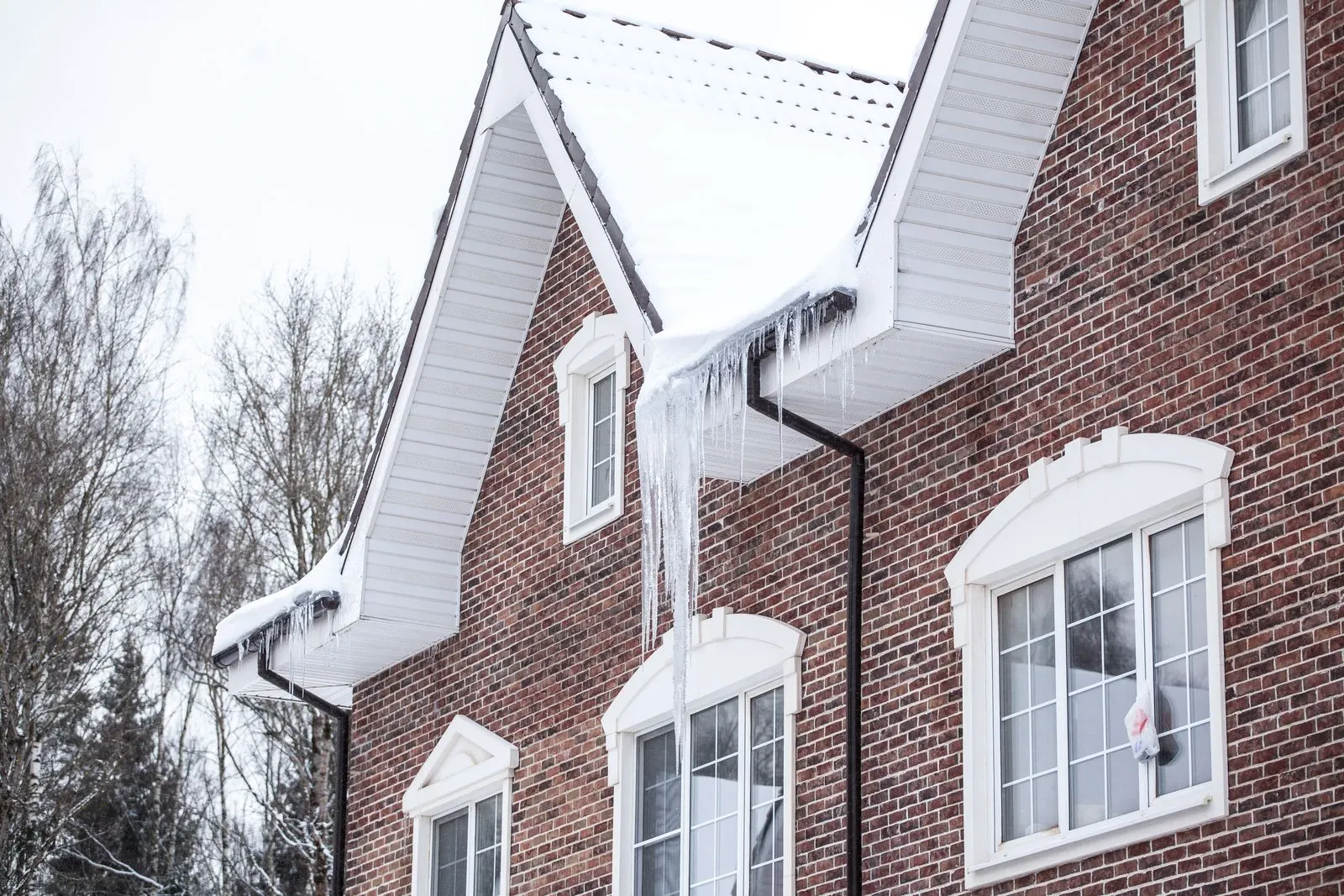
Winterizing a Vacant House: The Complete Checklist
A plumbing and heating winterization checklist for vacant homes, estates, rentals and properties for sale in New York, including what insurers and lenders often require.
Why it matters
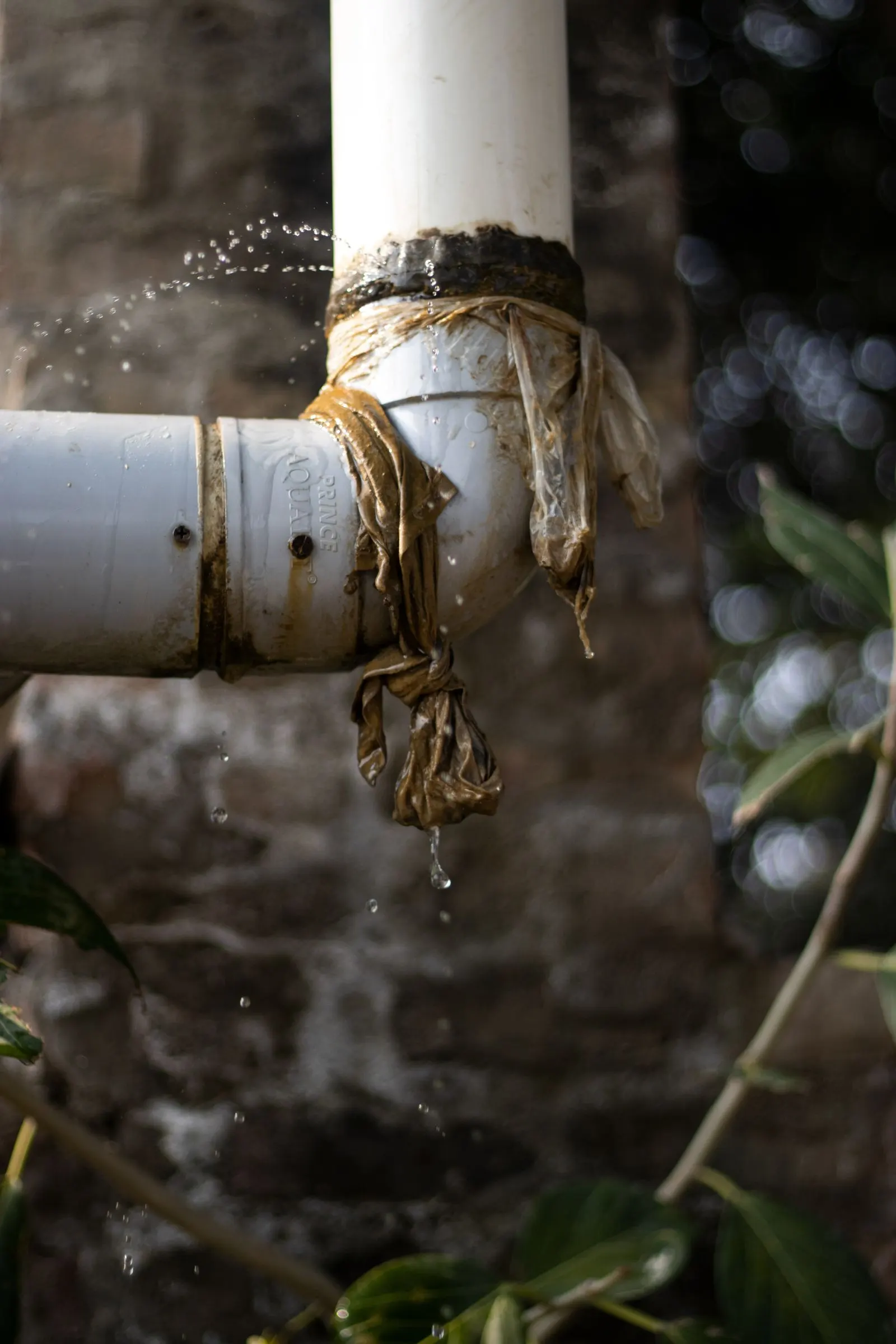
A heating failure in an occupied home is caught quickly. In a vacant one, it can go unnoticed for days, long enough for pipes to burst and flood multiple floors.
The checklist
- Shut off the main water valve and, if possible, have the water service shut at the curb.
- Turn off and drain the water heater.
- Open all faucets, flush toilets, and drain lines at the lowest point.
- Blow out lines with compressed air.
- Add RV (non-toxic) antifreeze to sink, tub and floor drain traps and toilet bowls.
- Decide on heating: drain the hydronic system or fill with glycol, or keep minimal heat on with remote temperature monitoring.
- Shut off and drain outdoor spigots and irrigation.
- Tag fixtures 'Winterized - Do Not Use' and document with photos.
De-winterizing
In spring, or before listing, refill slowly, bleed air, check every fixture and the water heater for leaks, and restart the heating system with a service visit.
In Yonkers, Westchester and the Bronx
Estate sales, between-tenant vacancies and homes listed for sale over the winter are common across Westchester and the Bronx. Real estate agents and estate attorneys often call us to winterize, and then to de-winterize before an inspection or closing. If a buyer's inspector will test the plumbing and heating, schedule the de-winterization a few days ahead so any issues can be fixed first.